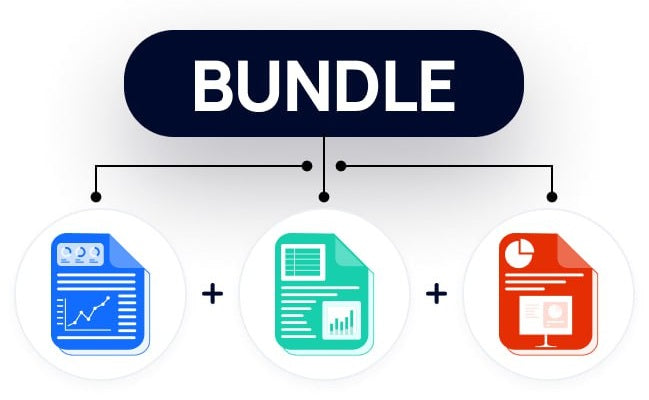
It can reach breakeven in year two if you fix pricing, utilization, and COGS. Raise per-sq-ft fees, sell design bundles, negotiate bulk materials to cut raw materials from 35% toward 28%, trim assembly from 18% toward 15%, shorten cycle times and charge expedited premiums starting 01/01/2027.
#
Profitability Lever
Description
Expected Impact
1
Monetize Speed: Premiums And Guaranteed Delivery
Charge for faster build slots and guaranteed delivery windows.
$200K-$1M annual; 5-10% revenue uplift
2
Improve Gross Margin: Reduce Cogs Line Items
Simplify materials and printing processes to lower unit costs.
2-8% margin improvement
3
Increase Throughput: Asset Utilization And Scheduling
Optimize machine schedules and shifts to boost output per asset.
10-25% throughput rise; $300K+ yearly
4
Expand Services: Design And Licensing Revenue
Sell design templates and license construction IP to partners.
$50K-$500K licensing; 3-7% margin increase
5
Control Fixed Costs: Facility And Workforce Optimization
Right-size facilities and cross-train staff to lower overhead.
5-15% fixed-cost reduction; margin +1-4%
Key Takeaways
Raise per-sqft fabrication fees for premium delivery windows
Negotiate bulk cement and admixture contracts to cut COGS
Schedule printers back-to-back to boost monthly throughput
Package pre-construction design with fabrication to raise average order value
What Are The 5 Best Ways To Boost Profit In 3D Printed House Construction?
Raise fabrication per-square-foot pricing for premium delivery windows to capture value from faster builds. Pair that with packaged pre-construction design services to push average order size and improve 3D printing construction revenue - defintely start with price.
Raise fabrication per-square-foot fees
Sell pre-construction design services
Introduce expedited fabrication premium
Shorten cycle times to boost throughput
Negotiate raw materials procurement cement admixtures
Underutilized printers lower revenue per asset during non-peak runs. High logistics and hauling on single-job deliveries inflate 3D printed home construction costs.
Also watch excessive R&D materials spend, sales commissions on small jobs, and facility lease plus utilities eating cash.
Underutilized printer capacity
Low printer utilization scheduling
High logistics and hauling costs
Single-job delivery inefficiencies
Excessive R&D materials spend
Sales commissions on small projects
Facility lease fixed costs
Utilities absorbing cash
What Should You Fix First: Pricing, Costs, Or Sales?
You're deciding what to fix first: pricing, costs, or sales - fix pricing first to capture fabrication value and protect margin, then address raw materials procurement and sales pipeline conversion to reach breakeven in year two; see 5 KPI & Metrics for 3D Printed House Construction: What Should We Measure?
Priority Fix: Pricing First
Price moves protect 3D printed house margins immediately and stop margin erosion on every job. Price per-square-foot fabrication and add an expedited fabrication premium to monetize speed. Price first; save later.
Raise fabrication per-square-foot pricing
Charge expedited fabrication premium
Package pre-construction design services
Enforce minimum order sizes
Negotiate raw materials procurement cement admixtures
Cut raw materials % from 35 toward 28
Standardize assembly to reduce assembly labor % 18 toward 15
Optimize logistics and hauling for routing and consolidation - defintely reduce waste
How Do You Increase Profit Without Working More Hours?
You increase profit by selling higher-value packages, squeezing more runs from each printer, and shifting pricing to outcomes so labor hours don't scale with revenue - see pricing and startup cost context How Much Does It Cost to Start 3D Printed House Construction?.
Scale revenue per job, not hours
Bundle pre-construction design services and expedited fabrication premiums to raise average order size. Shift from hourly assembly to per-shell guaranteed pricing so each project sells a fixed-margin product, not time.
One clean one-liner: sell outcomes, not clock time.
Bundle design with fabrication to increase order size
Charge expedited fabrication premium for fast delivery
Move assembly billing to per-shell guaranteed pricing
Automate quoting to shorten sales cycle
Book printers back-to-back for higher printer utilization scheduling
Stagger production to raise monthly throughput
Outsource non-core admin to keep fixed wages steady
Price fabrication per-square-foot pricing to capture value
Owners often leave margin on the table by not charging for schedule risk and logistics. Add small, clear line items and minimums to each contract and you convert hidden costs into revenue.
One-liner: Bill the risk, and you defintely protect margin.
Charge an expedited fabrication premium for faster deliveries
Offer guaranteed shell delivery windows for a fee
Apply performance bond fees to cover schedule risk
Enforce minimum order sizes for regional developer deals
Recover logistics and hauling as line-item pass-throughs
Price warranty coverage as a separate paid option
Sell IP licensing for proprietary node designs as recurring revenue
Bundle pre-construction design services to raise average order size
What Are The Ways To Increase 3D Printed House Construction Profitability?
Way To Increase Profitability 1: Monetize Speed: Premiums And Guaranteed Delivery
Improve delivery speed by charging expedited fabrication premiums to reduce schedule risk and increase per-project revenue at the shell phase - Lever: Revenue, Difficulty: Medium, Time to impact: 30-90 days
Profit Lever
Charge expedited fabrication premium per project (revenue)
Improve margin on assembly labor and logistics
Increase printer utilization and monthly throughput
Why It Works
Developers pay for time savings in tight pipelines
Capacity is fixed; speed converts idle hours to sales
Delay costs (hauling, crew) compound; faster delivery lowers them
How to Implement
Define guaranteed shell window: 10 days after foundation cure
Require performance bond cover for guaranteed jobs
Create SOP for prioritized print scheduling and crew shifts
Add expedited line-item on quotes and invoices
Pitfalls
Overpromising delivery - mitigate with buffer days
Higher rework if QA compressed - add QA checkpoints
Dependence on cement supply timing - lock bulk contracts
Tips and Trics
Quote expedited fee as percent of shell price
Use a template performance bond clause
Sequence expedited jobs by region
Notify logistics 72 hours before dispatch
Avoid promising sub-10 day without test runs
Way To Increase Profitability 2: Improve Gross Margin: Reduce Cogs Line Items
Improve raw materials sourcing by signing bulk cement and admixture contracts to reduce COGS percentage and raise per-project margin - Lever: Cost; Difficulty: Medium; Time to impact: 3-9 months.
Profit Lever
Cost - lowers raw materials percentage from 35% toward 28%
Sequence: lock logistics one week before print start
Communicate: confirm site readiness 72 hours prior
Avoid: single-job deliveries without consolidation
Way To Increase Profitability 4: Expand Services: Design And Licensing Revenue
Improve revenue per project by packaging pre-construction design and IP licensing to reduce sales cycle friction and raise average order size. Chips: Lever: Revenue; Difficulty: Medium; Time to impact: 3-9 months.
Profit Lever
Revenue - upsell design bundles to raise per-project ARPU
Cost - reduce rework and materials waste via CAD/CAM handoffs
Utilization - shorten quoting-to-print time, speed printer starts
Why It Works
Design services convert prospects to larger fabrication contracts
Focus on pricing, utilization, and add-on services to increase profit Raise fabrication and assembly fees, sell pre-construction design services, and introduce expedited fabrication premiums Use bulk raw materials purchasing to lower the raw materials percentage and improve gross margin Target reaching breakeven in year two while protecting minimum cash
Aim to improve gross margin by cutting key COGS line items Lower raw materials percentage from 35 toward 28 and reduce assembly labor percentage from 18 toward 15 over time Combine pricing moves and throughput gains so EBITDA turns positive after year one and rises by year three
Start with variable COGS and logistics to free up cash quickly Negotiate raw materials contracts to reduce the 35 raw materials percentage, then optimize logistics and hauling to lower that 12 percentage Control R&D materials and delay discretionary spend until utilization improves
Shift to revenue levers: raise per-square-foot fabrication fees and bundle design services Push expedited fabrication premiums once production stabilizes after 01012027 Increase marketing at regional developer conferences and use the guaranteed 15% structural build time reduction as a sales differentiator
The plan reaches breakeven in year two per the financial forecast Use pricing, utilization, and bundled services to hit that milestone faster Monitor EBITDA progression from negative year one toward positive earnings in year two and beyond