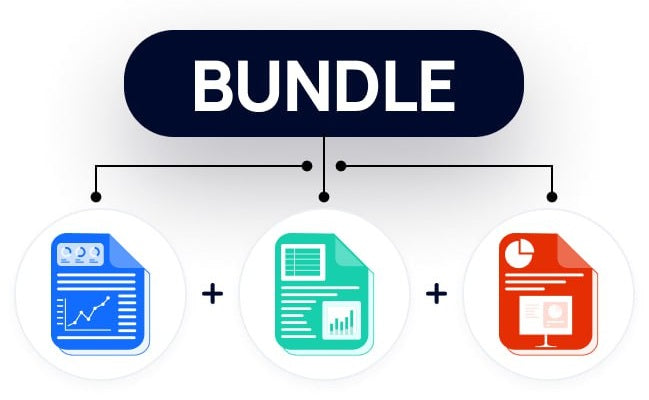
You're launching a zero-waste grocery chain before product-market fit; start by validating demand with micro-surveys and pop-ups in affluent neighborhoods, prototype one kiosk and bin loop, secure supplier LOIs for private-label staples, build SOPs for sanitation and logistics, and recruit a small cross-functional team. Plan pilot capex baseline of $1,500,000 kiosk, $800,000 bins, plus $600,000 software and $400,000 cleaning, and target breakeven in year 4.
#
Step Name
Description
1
Market Validation & Pilot Design
Run targeted pop-ups and paid waitlists to validate demand, operations, and unit economics quickly.
2
Technical Development & IP Protection
Iteratively build RFID, weighing, and checkout software while filing IP and testing hardware integrations.
3
Supplier Sourcing & Private-Label
Secure high-margin suppliers, pilot limited SKUs, and set quality and sanitation standards.
4
Operations & Industrial Cleaning
Establish cleaning facility, SOPs, and logistics for reliable bin handling and turnaround.
5
Location, Lease & Kiosk Deployment
Lease urban kiosks, integrate hardware, obtain permits, and deploy Phase 1 per capex timelines.
6
Go-To-Market & Membership Launch
Introduce tiered memberships, convert waitlist, and market time-saving sustainability benefits.
7
Scale Operations & Partnerships
Expand kiosk footprint, optimize logistics and costs, and add premium partnerships post-baseline.
Key Takeaways
Validate demand with pop-ups and paid waitlist.
Prototype a kiosk and single bin loop for pilot.
Secure supplier LOIs for private-label bulk staples with margins.
Build SOPs for cleaning, logistics, RFID, and kiosk maintenance.
How Do You Start Zero Waste Grocery Store Chain If You'Ve Never Done This Before?
You're starting a zero waste grocery store chain with no prior experience - validate demand quickly and pilot one location to learn. Run micro-surveys and pop-up trials in targeted affluent neighborhoods, prototype the SourceStream kiosk and bin loop, and secure supplier agreements for private-label bulk staples while you build SOPs for bin sanitation and logistics. Also set up a paid waitlist to test a membership-based grocery model and read What Operating Costs Does a Zero-Waste Grocery Store Chain Incur?
Pilot steps to launch
Validate demand with micro-surveys, pop-ups, and a paid waitlist
Prototype the SourceStream kiosk and a single bin loop pilot
Lock supplier LOIs for private-label bulk staples with margin targets
Create SOPs for bin sanitation and recruit a small cross-functional team
What Should You Do First Before Spending Any Money?
You're validating demand before spending a dollar-start with customer interviews, a mockup kiosk, and supplier LOIs to prove the model and reduce risk. Read practical revenue context here: How Profitable is a Zero Waste Grocery Store Chain?. Then launch a small paid waitlist and map a pilot supply chain and cleaning workflow to confirm membership pricing and bin sanitation feasibility. Keep tests tight and measurable so decisions are data-driven.
First steps to validate without capex
Run customer interviews in high-density urban ZIP codes to confirm willingness to pay
Build a low-cost kiosk mockup to test flow, RFID interactions, and weighing integration
Negotiate preliminary supplier letters of intent for private-label bulk staples
Map pilot supply chain and bin sanitation workflow and launch a small paid waitlist
How Long Does It Usually Take To Get Open?
You're aiming to launch a zero waste grocery store chain pilot; expect staggered workstreams so you don't bottleneck. Prototype and pilot hardware and software over three to six months, while you negotiate leases and supplier contracts in parallel over two to four months. Build initial bin inventory and an industrial cleaning facility in three to six months, recruit and train your core team in one to two months, and factor in variable city permitting timelines that may extend the schedule - also check operating cost assumptions here: What Operating Costs Does a Zero-Waste Grocery Store Chain Incur?.
Launch timeline checklist
Prototype hardware/software: 3-6 months
Lease & supplier deals: 2-4 months
Bin inventory & cleaning facility: 3-6 months
Hire & train core team: 1-2 months
How Do You Create Strong Zero Waste Grocery Store Chain Business Plan?
Forecast revenue from membership-based grocery model and private-label bulk staples
Model COGS using bulk inventory % (45% in 2026 per assumptions)
Include variable cleaning & logistics as % of revenue (12% in 2026) and track container deposit system flows
Phase capex: kiosk $1,500,000; bin inventory $800,000; software $600,000; cleaning facility $400,000; target breakeven year 4
What Mistake Delays Most First-Time Owners?
You're most likely to stall because you undercount the hard work of operations and system integration, so focus on the top fixes below and keep reading for tactical next steps including metrics in 5 KPI & Metrics for a Zero Waste Grocery Store Chain: What Measures Define Success?. The common delays are industrial cleaning and bin turnaround logistics, overcommitting capital to kiosks before unit economics, neglecting RFID and weighing integration, and weak supplier agreements and membership testing. Fix those four and your pilot kiosk deployment and membership-based grocery model will move faster. Here's a short checklist to act on now.
Top delays to fix
Underestimate bin sanitation and cleaning throughput
Roll out kiosks too fast before validating unit economics
Skip early RFID inventory tracking and weighing integration tests
Sign supplier deals that limit private-label bulk staples
What Are 7 Steps To Open Zero Waste Grocery Store Chain?
Step 1 - Market Validation And Pilot Design
Goal: Validate demand for the zero waste grocery store pilot and prove the kiosk + bin loop works in-market; done looks like a paid waitlist, a running pilot kiosk, and captured unit economics.
What to Do
Run 30-50 targeted customer interviews in affluent ZIP codes
Host 2-4 pop-up refill trials to observe flow and sanitation feedback
Build a low-cost kiosk mockup and test RFID/weighing interactions
Open a paid waitlist and price two membership tiers to measure conversions
Capture pilot unit economics from sales, membership, and cleaning costs
What You Should Have
Paid waitlist with conversion metrics
Pilot kiosk runbook and unit-economics spreadsheet
Signed supplier LOIs for initial private-label SKUs
What It Depends On
Vendor lead times for kiosk hardware and RFID components
Local permits and health approvals for refill stations
Availability of suppliers for private-label bulk staples
Common Pitfall
Skipping end-to-end RFID/scale integration --> causes checkout failures and rework
Rushing kiosk rollouts without pilot unit economics --> wastes capex and delays breakeven
Quick Win
Create a one-page pilot brief and paid waitlist Google form to convert early members and speed recruitment
Benchmarks: prototype and pilot timelines 3-6 months; pilot capex baselines include kiosk deployment $1,500,000 and bin inventory $800,000; target membership revenue signals in year 1 include tiers at $150,000 and $80,000.
Step 2 - Technical Development And Ip Protection
Build the RFID, weighing, and checkout platform for your zero waste grocery store and secure IP so 'done' means a working pilot integration and filed provisional patents or copyright records.
What to Do
Design RFID tag schema and data model
Integrate scale API with checkout and price logic
Develop minimal kiosk UI for automated checkout
Run end-to-end integration tests with physical bins
Prepare and file provisional IP (patent/copyright)
What You Should Have
Working pilot integration (RFID + scale + checkout)
Software dev budget aligned to $600,000
Filed provisional IP application or copyright record
What It Depends On
Vendor lead times for RFID readers and scales
Availability of software engineers for embedded work
Decision to file provisional patents or delay filing
Common Pitfall
Skipping repeated integration tests --> late rework and launch delay
Poorly scoped IP filings --> weak protection or wasted legal fees
Quick Win
Create a 1-screen kiosk mockup to test user flow - speeds UI fixes
Order sample RFID tags and one scale to run a bin loop test this week - identifies integration issues fast (defintely worth it)
Step 3 - Supplier Sourcing And Private-Label Setup
Goal: Secure suppliers and private-label terms for the zero waste grocery store chain so done looks like signed LOIs for a pilot SKU set with pricing, delivery cadence, and sanitation specs.
What to Do
Call 5 bulk staple manufacturers for private-label quotes
Compare unit pricing under bulk breakpoints and MOQ terms
Negotiate delivery frequency to match bin turnover assumptions
Draft sanitation specs and accept/reject criteria for suppliers
Test 10 pilot SKUs in pilot kiosk for shelf life and fill flow
What You Should Have
Signed LOIs for pilot private-label SKUs
Supplier scorecard with pricing and delivery cadence
Sanitation spec and QA checklist for inbound bulk
What It Depends On
Supplier lead times and MOQ flexibility
Local health permits affecting product acceptance
Funding to cover initial bin inventory ($800,000)
Common Pitfall
Weak pricing terms --> margin compression and rework
No sanitation SLA --> failed audits and product holds
Quick Win
Order 10 SKUs sample pack to validate fill flow / speeds procurement decisions
Create a one-page supplier SLA template to speed LOI signings and prevent spec gaps
Step 4 - Operations And Industrial Cleaning Setup
Goal: Build a repeatable bin sanitation and logistics system for the zero waste grocery store chain so 'done' means a validated cleaning loop, staffed logistics, and tracked bin lifecycle ready for pilot launch.
What to Do
Map the bin collection route and schedule
Contract or price a local industrial cleaning facility
Draft SOPs for bin handling, sanitization, and QA
Install RFID tags and test weighing integration at kiosk
Hire and train logistics crew for pickups and restock
What You Should Have
Vendor quote or contract for industrial cleaning (capex baseline $400,000)
SOP pack: bin handling checklist, sanitization cycle, QA sheet
RFID integration test report and bin lifecycle tracker
What It Depends On
Local health permits and inspections for cleaning facility
Vendor lead times for cleaning equipment and RFID hardware
Hiring and training speed for logistics staff
Common Pitfall
Underestimate throughput needed --> missed restocks and lost sales
Skipping integration tests between RFID, scales, and POS --> reconciliation errors and customer disputes
Quick Win
Run a 1-week bin pickup pilot with one kiosk to produce a turnaround time report and reduce unknowns
Create a one-page SOP and QA checklist to speed training and prevent rework
Benchmarks and numbers to use: pilot capex baselines include $1,500,000 for initial kiosk deployment, $800,000 for bin inventory, $600,000 for software dev, and $400,000 for cleaning facility; model operating costs should reflect bulk inventory at 45% of revenue and container cleaning at 12% in 2026 per plan - these inform staffing and throughput needs for the industrial cleaning setup.
Step 5 - Location, Lease, And Kiosk Deployment
Goal: Secure high-density urban kiosk leases and deploy Phase 1 kiosks so the zero waste grocery store chain pilot is operational and compliant; done looks like signed leases, delivered kiosks, and permits in hand.
What to Do
Identify high-density ZIP codes and shortlist 3 storefronts
Negotiate lease terms with monthly cost caps and tenant improvement allowances
Order Phase 1 kiosk hardware per capex plan and schedule delivery
Integrate RFID and weighing systems with kiosk software and test
Apply for local health and vending permits before opening
What You Should Have
Signed lease(s) with monthly cost commitments
Phase 1 kiosk delivery and installation schedule
Permit applications or approvals (health, vending)
What It Depends On
Local permitting and health inspection timelines
Vendor lead times for kiosk hardware and RFID components
Site build complexity and required tenant improvements
Common Pitfall
Signing multiple leases before pilot validation --> wasted spend and cash strain
Skipping RFID/weighing integration tests --> checkout failures and rework
Quick Win
Create a lease term checklist to speed landlord negotiations / avoids unexpected monthly costs
Run a one-day kiosk integration test with RFID and weighing / proves checkout flow before full install
Expect significant upfront capex for pilot hardware and bins but precise needs vary Use the provided capex items as benchmarks: Initial kiosk deployment is $1,500,000 and initial bin inventory is $800,000 Include software development and cleaning facility setup respectively at $600,000 and $400,000 Sum these as a planning baseline for a credible pilot estimate
Breakeven is reached when operational revenue covers ongoing costs Based on the model provided, the plan reaches breakeven in year 4 Use multi-year revenue targets such as $9,180,000 in year 3 and $14,700,000 in year 4 to track progress toward that breakeven milestone
Yes, membership is a primary revenue driver and helps predict recurring income The assumptions include two membership tiers forecasting $150,000 and $80,000 in year 1 respectively and growing thereafter Launching memberships early supports cash flow and helps manage demand for container access
Major recurring costs are inventory COGS and cleaning logistics which scale with revenue Model bulk inventory cost percentages starting at 45% in 2026 and variable container cleaning costs at 12% in 2026 per assumptions Also include fixed monthly lease and platform maintenance expenses in operating budgets
Revenue ramps with kiosk deployments and membership growth under the plan The core metrics project revenue of $1,450,000 in year 1, $4,655,000 in year 2, and $9,180,000 in year 3, increasing to $21,980,000 by year 5, illustrating potential scale if execution matches assumptions