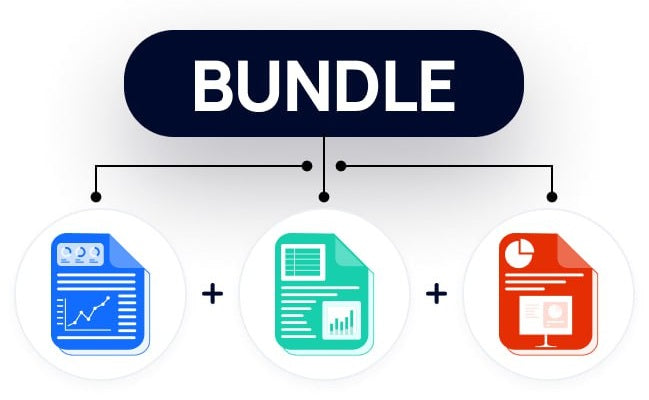
You're starting custom hat manufacturing with no experience; validate demand first with paid pre-orders and pilot customers (micro-brands, corporate gifting) sold via API drop-ship integrations. Then build a regional micro-factory MVP for 1-100 unit runs, develop a minimum Configurator for photorealistic proofs and fixed pricing, and target 7-day delivery and a 65% gross margin.
#
Step Name
Description
1
Step 1 - Validate Market with Paid Pre-orders and Pilot Customers - the core step to launch a [business idea].
Run paid pre-orders and small pilots to confirm demand, pricing, and fulfillment timing.
2
Step 2 - Build Minimum Configurator and Pricing Engine - the core step to launch a [business idea].
Develop a fast photorealistic configurator with inventory-based pricing and platform APIs.
3
Step 3 - Secure Lease and Fit-out for Regional Micro-factory - the core step to launch a [business idea].
Lease and fit a regional hub optimized for rapid imaging, fulfillment, and low-volume production.
4
Step 4 - Purchase and Install Critical Manufacturing Equipment - the core step to launch a [business idea].
Buy and stage automated cut-sew and embroidery machines, validating throughput for small runs.
5
Step 5 - Hire Core Team and Scale Operations Capacity - the core step to launch a [business idea].
Hire leadership, ops, and support, aligning hires and wages with headcount forecasts.
6
Step 6 - Launch API Integrations and Go-To-Market Partnerships - the core step to launch a [business idea].
Release drop-ship APIs, onboard micro-brands, and drive adoption via targeted marketing.
7
Step 7 - Monitor Metrics, Optimize Unit Economics, Expand Hubs - the core step to launch a [business idea].
Track metrics, improve margins, and reinvest to scale additional micro-factory hubs.
Key Takeaways
Launch a regional micro-factory pilot for 1-100 units
Validate demand with paid pre-orders and paid samples
Build a photorealistic configurator with fixed pricing
How Do You Start Custom Hat Manufacturing If You'Ve Never Done This Before?
You're starting custom hat manufacturing with no prior experience-start small and prove the model fast so you don't burn cash. Build a single regional micro-factory MVP, validate demand via API drop-ship integrations, and ship instant photorealistic hat proofs with fixed pricing while securing automation for 1-100 unit runs and piloting with micro-brands and corporate gifting accounts. Track early performance and unit economics using 5 KPI & Metrics for Custom Hat Manufacturing: What Should You Track?.
Start with a focused MVP
Build one regional micro-factory proof
Sell via API drop-ship hats integrations
Launch a hat configurator with photorealistic proofs
Secure automation for 1 to 100 units and pilot customers
What Should You Do First Before Spending Any Money?
Validate demand before you buy equipment: run paid pre-orders or sell paid samples to confirm willingness-to-pay and gather real order data, and read How Much Does a Custom Hat Manufacturing Business Owner Earn? to align revenue expectations. Map a minimum viable hat configurator that delivers photorealistic proofs and fixed pricing. Negotiate conditional leases and vendor quotes so commitments match validated demand. Build a one-line cost model targeting a 65% gross margin and pilot fulfillment partners for guaranteed 7-day delivery.
First actions checklist
Run paid pre-orders or paid samples
Define MVP hat configurator features
Get conditional lease and vendor quotes
Build one-line cost model; pilot 7-day fulfillment
How Long Does It Usually Take To Get Open?
You're opening a custom hat manufacturing micro-factory: expect to be operational within the first year, with key machinery installed during a six-month equipment window. The hat configurator build aligns with first-year CapEx, and regional warehouse fit-out and lease happen in the early months - check timing against the 2026 product and API launch dates and 5 KPI & Metrics for Custom Hat Manufacturing: What Should You Track?.
Opening timeline at a glance
Initial software and build-out done within year one
Key machinery installs finish in six-month equipment window
Warehouse fit-out and factory lease in early months
Market-launch tied to 2026 product and API dates
How Do You Create Strong Custom Hat Manufacturing Business Plan?
Start by mapping revenue streams to the financial assumptions and launch dates, and use that backbone to size capital and timing - How Much Does a Custom Hat Manufacturing Business Owner Earn?. Then build unit economics per hat from the specified materials and labor percentage inputs and target a 65% gross margin. Include fixed monthly costs like R&D, lease, cloud, and marketing to test cash needs. Finally, model breakeven in Year 2 and define GTM through API drop-ship integrations and targeted B2B corporate gifting outreach.
Business-plan quick checklist
Tie revenue streams to launch dates from the financial assumptions
Build per-hat unit economics using materials and direct labor percentages
List fixed monthly costs: R&D, factory lease, cloud, marketing
Model breakeven in Year 2 and set GTM: API drop-ship hats + corporate gifting hats
What Mistake Delays Most First-Time Owners?
You're most likely to stall by building too much software and skipping real orders, so validate with API drop-ship integrations and paid pre-orders first; read How Much Does a Custom Hat Manufacturing Business Owner Earn? to see margin and revenue context. Also watch monthly fixed costs like R&D and factory lease, lock 7-day fulfillment partners, and avoid oversized MOQs instead of regional micro-factory setups with a realistic hat configurator.
Top delays to avoid
Overbuilding software before orders
Underestimating fixed costs like R&D and lease
Ignoring fulfillment partners for 7-day delivery
Picking oversized MOQs vs regional micro-factory
What Are 7 Steps To Open Custom Hat Manufacturing?
Step 1 - Validate Market With Paid Pre-Orders And Pilot Customers
The goal is to prove real demand for your custom hat manufacturing offering by collecting paid pre-orders and executing pilot runs so 'done' is standing orders for 1 to 100 units and actionable feedback on construction and delivery.
What to Do
Run paid pre-orders targeting micro-brands and corporate gifting buyers
Ship 1-100 unit pilot runs to validate build and fulfillment
Test photorealistic proofs from the hat configurator against delivered samples
Collect pricing, AOV, and lead-time data per order
Adjust material options and fixed pricing based on real orders
What You Should Have
Paid pre-order receipts and customer contact list
Pilot run physical samples and delivery confirmations
Order-level cost and AOV worksheet
What It Depends On
Buyer willingness to pay and pre-order conversion
Configurator realism to match photorealistic proofs
Fulfillment capability to meet the 7-day delivery promise
Common Pitfall
Rushing configurator visuals --> low conversion and refund requests
Skipping real paid orders --> wasted software spend and wrong unit economics
Quick Win
Create a paid pre-order page to confirm one pilot order - prevents false demand signals
Send one paid sample to a pilot customer and capture delivery time - speeds up configurator tuning
Step 2 - Build Minimum Configurator And Pricing Engine
Goal: Build a hat configurator that gives photorealistic proofs, fixed pricing tied to real-time inventory, and API endpoints so the custom hat manufacturing flow converts visitors into paid orders - done when users get accurate proofs, prices, and can check out via Shopify/WooCommerce integrations.
What to Do
Define proof fidelity spec for photorealistic hat renders
Map SKU-level inventory rules and pricing bands
Build API endpoints for Shopify and WooCommerce drop-ship
Integrate real-time material availability with quoting logic
Test order-to-factory latency to support 7-day fulfillment
What You Should Have
Working configurator demo with photorealistic proofs
API spec and a working Shopify/WooCommerce integration
Pricing engine tied to inventory and per-order cost model
What It Depends On
Vendor lead times for imaging and 3D render tools
Availability of real-time inventory feeds from material suppliers
Engineering bandwidth to build and test API drop-ship endpoints
Common Pitfall
Overbuilding the configurator --> wasted spend and delayed launch
Using static pricing not tied to inventory --> frequent order cancellations
Quick Win
Create a 3-option prototype (image proofs) to speed up pilot sign-ups
Launch a single Shopify integration test to prove API drop-ship flow
Step 3 - Secure Lease And Fit-Out For Regional Micro-Factory
Goal: Secure a flexible regional micro-factory lease and complete fit-out so the custom hat manufacturing hub can run 1-100 unit short-run production with imaging and rapid fulfilment; done looks like signed lease, fit-out timeline, and equipment delivery windows locked.
What to Do
Compare regional industrial spaces for load-bearing, power, and mezzanine access
Negotiate flexible lease terms tied to ramp milestones and tenant improvements
Order imaging studio fit-out and staging racks sized for apparel shoots
Coordinate equipment delivery windows with vendors for cut-and-sew and embroidery
Price regional logistics contracts to guarantee 7-day delivery SLAs
What You Should Have
Signed lease with TI (tenant improvement) schedule
Vendor delivery windows and equipment installation quotes
Logistics partnership agreement with SLA for 7-day fulfilment
What It Depends On
Vendor lead times for automated lines and embroidery machines (CapEx items)
Local permitting and inspections required for manufacturing fit-out
Availability of regional logistics partners to meet 7-day SLA
Common Pitfall
Signing long-term lease without ramp clauses --> wasted spend if demand lags
Scheduling equipment deliveries before fit-out finishes --> installation delays and rework
Quick Win
Send standardized RFQ to three equipment vendors to get firm delivery windows - speeds vendor selection
Create a one-page fit-out checklist (power, HVAC, lighting, imaging space) to prevent permit delays
Step 4 - Purchase And Install Critical Manufacturing Equipment
Buy, stage, and prove automated cut-and-sew and 3D embroidery lines so the regional micro-factory reliably produces 1-100 units with photorealistic proofs and repeatable throughput; done = first production run passes QC and 7-day fulfillment.
What to Do
Compare quotes for automated cut-and-sew lines and list warranties
Order $1,800,000 automated lines and $600,000 embroidery machines per CapEx
Install imaging studio and inline QC sensors before first production run
Test-throughput with 1-100 unit runs and record cycle times
Schedule maintenance contracts and spare-parts orders
What You Should Have
Vendor shortlist with delivery dates and service SLAs
Installed imaging studio and documented QC checklist
Test report showing validated throughput for 1-100 units
What It Depends On
Vendor lead times and equipment delivery windows
Factory fit-out readiness and power/compliance inspections
Capital availability to hit staged CapEx milestones
Common Pitfall
Buying full automation up front --> wasted spend if demand stays low
Skipping imaging/QC before launch --> rework and missed 7-day delivery SLAs
Quick Win
Order demo units from two equipment vendors to compare real throughput - produces a side-by-side cycle-time sheet to speed procurement
Create a one-page maintenance SLA and spare-parts list to reduce downtime risk during first 90 days
Step 5 - Hire Core Team And Scale Operations Capacity
Staff the leadership team and operations core so the regional micro-factory reliably produces 1 to 100 units with consistent quality; done looks like trained ops, signed maintenance contracts, and hires in place to meet ramp targets.
What to Do
Hire CEO, CTO, Head of Ops, Controller
Recruit account managers and customer support
Train ops on rapid changeovers for low-MOQ runs
Negotiate maintenance and uptime contracts for machines
Align hires to the headcount and salary schedule
What You Should Have
Signed offer letters for core leadership
Maintenance contracts and vendor SLAs
Ops training checklist and changeover SOP
What It Depends On
Hiring lead times and candidate availability
Vendor lead times for automated lines and embroidery machines
Funding availability to cover payroll and training
Common Pitfall
Hiring too late --> delays in meeting 7-day fulfillment promises
Skipping maintenance contracts --> machine downtime and rework
Quick Win
Create a 2-week ops training plan to reduce changeover time and speed up first-run quality checks
Production cost varies by materials and decoration complexity but is manageable Use the stated materials and labor percentages to estimate costs, for example materials around 225% and direct labor about 65% in Year 1 Factor in fulfillment and fees like 80% shipping and 25% payment processing to get full variable cost per order
Delivery is guaranteed quickly when systems work correctly The business model promises 7-day delivery from order finalization and targets runs of 1 to 100 units Launch sequencing shows direct D2C starting in 01032026 and API drop-ship in 15042026 as operational milestones
No, the value proposition removes high MOQs for customers The operation is optimized for single-unit to 100-unit runs and specifically addresses the 250+ unit MOQ pain point That enables micro-brands and corporate buyers to execute rapid small-batch drops without inventory risk
The model targets high AOV and strong gross margins informed by assumptions It specifies a 65% gross margin on premium materials and forecasts revenue growth from $3,000,000 in Year 1 to $18,700,000 by Year 5 EBITDA is negative in Year 1 and achieves positive EBITDA by Year 2 per the provided metrics
Capital needs reflect staged CapEx items in the plan Major items include $1,800,000 for automated lines, $600,000 for embroidery machines, and $650,000 for initial Configurator build Spread these across the first 12 to 24 months per the provided CapEx schedule to align cash needs