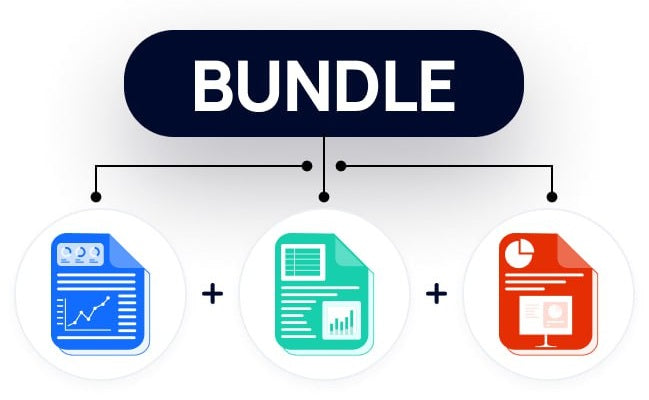
You're trying to make a trampoline park profitable; focus on pricing first-raise premium subscription tiers and convert drop‑ins to memberships to move EBITDA from negative toward positive by Year 4. Then fill off‑peak hours with leagues and corporate events and sell certification bundles to reach breakeven in Year 5.
#
Profitability Lever
Description
Expected Impact
1
Way 1 - Monetize Skill Progression And Certification
Sell tiered classes and certifications to increase repeat visits and perceived value.
$40k-$120k annually
2
Way 2 - Optimize Pricing And Membership Mix
Adjust pricing tiers and membership ratios to boost ARPU and retention.
+10-20% revenue, +3-5pp margin
3
Way 3 - Increase Utilization With Leagues And Corporate Events
Fill off-peak hours with leagues and corporate bookings for steady income.
$30k-$100k annually
4
Way 4 - Reduce Variable Cost Drag
Cut supply waste and optimize staffing to lower cost per attendee.
-5-8% operating expense
5
Way 5 - Deploy High-Margin Ancillary Revenue Streams
Add food, retail, parties, and photo services to lift margins quickly.
+8-15% gross margin
Key Takeaways
Increase premium subscription price by 10% annually
Shift instructors to base salary plus 10% commission
Fill weekday afternoons with corporate events and leagues
Bundle certification with merchandise to raise average order value 20%
What Are The 5 Best Ways To Boost Profit In Trampoline Park?
Five clear levers drive trampoline park profit: raise premium subscription pricing, cut instructor commissions, fill weekday corporate events, add bundled high-margin merchandise, and scale certified leagues-these moves directly lift trampoline park revenue streams and trampoline park EBITDA. See the KPIs: 5 KPI & Metrics for Trampoline Park Success: What Should You Track?
Primary levers to act on
Start with pricing for premium training tiers, then lock down variable costs and sales channels. One clean win: price premium spots higher and convert drop-ins to recurring members-defintely the fastest path to higher average transaction value.
Increase premium subscription pricing
Raise prices in measured increments
Segment three membership tiers
Cap premium spots to preserve value
Reduce instructor commissions
Move to blended salary + lower commission
Negotiate motion-capture licensing fees
Boost corporate event utilization
Where Is Your Profit Leaking Every Month?
Your trampoline park profit leaks mostly to fixed occupancy and variable service fees-rent, instructor commissions, motion-capture licensing, underused weekdays, and equipment replacement; read local owner pay and context How Much Does a Trampoline Park Business Owner Earn? to benchmark.
Primary monthly drains
Track the big, recurring cash outflows first. Fix pricing or utilization without trimming necessary safety or coaching. One clean action: map each cost to a revenue stream.
Excessive rent and fixed occupancy costs
High instructor commission rates on memberships
Motion-capture licensing charged as percent of revenue
Underutilized weekday daytime hours
Foam pit replacement scheduled without lifecycle optimization
Maintenance billed reactively, not preventive
Lost corporate event revenue in off-peak slots
Merchandise COGS not optimized at checkout
What Should You Fix First: Pricing, Costs, Or Sales?
Fix pricing first: redesign premium subscription tiers and packaging to lift trampoline park profitability, then cut variable costs and ramp targeted sales so EBITDA improves-see pricing steps and monitoring below and How to Start a Trampoline Park?.
Priority roadmap
Start with a clear membership pricing strategy. Segment premium tiers with capped high-touch spots and bundled certification to justify higher fees.
Next, reduce variable cost drag-focus on instructor commission reduction and lower merchandise COGS-then scale school partnerships and referral channels to grow league and corporate event revenue.
Raise premium tier prices in measured increments
Bundle certification with merchandise at checkout
Shift instructor pay to base plus lower commission
Negotiate motion-capture licensing to fixed fee
Target local school athletic programs for leagues
Fill weekday afternoons with corporate events
Reallocate marketing to referral partnerships
Monitor monthly revenue and trampoline park EBITDA
How Do You Increase Profit Without Working More Hours?
Convert casual drop-ins into recurring revenue, productize training into multi-week certification programs, and fill off-peak hours with leagues and corporate events to boost trampoline park profitability-keep reading for the exact operational moves and pricing levers. See revenue context: How Much Does a Trampoline Park Business Owner Earn?
Productize & Automate
Package coaching as multi-week certification programs sold as subscriptions to raise average transaction value. Use automated billing flows and enrollment windows to lock recurring membership revenue-this also reduces manual renewals and saves front-desk time, defintely lowering churn.
Convert drop-ins to memberships
Use automated billing flows
Sell multi-week certification programs
Cap premium coaching spots
Run evening leagues to increase utilization
Book weekday corporate event blocks
Upsell equipment and branded merchandise at checkout
Deploy scheduling software to cut no-shows
What'S The Easiest Profit Win Most Owners Miss?
Charge higher for certified instructor-led sessions and lock predictable weekday revenue with recurring corporate team-building contracts to lift trampoline park profit quickly; keep reading to see practical bundles, upsells, and cross-sell steps that scale EBITDA. 5 KPI & Metrics for Trampoline Park Success: What Should You Track?
High-impact quick wins
Certified sessions command premium pricing because they deliver instructor time and outcomes-price them above general open jump. Bundle merchandise at sign-up to raise average transaction value and improve trampoline park revenue streams.
Cross-sell league registration to members before public launch to fill capacity and convert casual users into recurring revenue. Track skill progression as a reason to upsell higher-tier subscriptions.
Charge premium for instructor-led sessions
Create recurring corporate team contracts
Bundle merchandise at certification checkout
Use skill data to upsell tiers
Cross-sell leagues to existing members
Price certification above casual drop-ins
Make corporate events predictable weekday revenue
Improve EBITDA via higher average transaction value
What Are The Ways To Increase Trampoline Park Profitability?
Way To Increase Profitability 1: Way 1 - Monetize Skill Progression And Certification
Improve certification revenue by selling tiered, outcome‑linked programs to raise average transaction value and retention.
Lever: Revenue, Difficulty: Medium, Time to impact: 60-120 days
Profit Lever
Sell tiered certification as subscription add-ons
Raise average transaction value at checkout
Improve member LTV via discounted renewals
Why It Works
Certification commands premium price versus casual drop‑ins
Capacity constrained by instructor hours; higher ARPU uses same space
Motion‑capture analytics add proprietary upsell value
How to Implement
Design 3 certification tiers with clear outcomes
Set prices > casual drop‑in by fixed % premium
Integrate motion‑capture report as paid add‑on
Bundle merch at checkout (helmet, tee, grips)
Offer alumni renewal at a discounted rate
Pitfalls
Poorly defined outcomes → low conversion; require clear skill milestones
Instructor capacity limits scale; add certified instructor training
Expensive motion‑capture fees; negotiate fixed or capped license
Tips and Trics
Price tier gaps at 25-50% increments
Use a one‑page SOP for certification flow
Sell merch at sign‑up prepay
Launch limited cohorts to test demand
Avoid free certifications; charge a token fee
Way To Increase Profitability 2: Way 2 - Optimize Pricing And Membership Mix
You're selling casual drop-ins but need predictable revenue-improve membership pricing by creating clear tiers to lift average transaction value.
Lever: Revenue; Difficulty: Medium; Time to impact: Short-medium
Profit Lever
One-liner: Move casual spend into higher-value, recurring plans.
Introduce three membership tiers with clear price gaps
Add capped premium spots for high-touch coaching
Offer family plans to raise revenue per account
Why It Works
One-liner: Pricing captures willingness-to-pay and shapes behavior.
Shifts variable drop-in spend to predictable recurring revenue
Uses limited premium capacity to justify higher fees
Improves weekday utilization by tying perks to off-peak access
How to Implement
One-liner: Roll pricing changes as a tested product, not a surprise.
Define benefits for three membership tiers and price gaps
Create booking rules that reserve capped premium spots
Build family-plan SKU and billing in your payment system
Run a 30-60 day pilot with targeted member cohort
Review results in the monthly EBITDA report and iterate
Pitfalls
One-liner: Bad communication kills conversions and retention.
Poorly defined tiers confuse customers - publish clear benefit lists
Overpricing premium spots lowers utilization - cap and monitor fill rate
Family plans mispriced reduce ARPU - track per-account revenue
Set recurring evening league schedule and sell seasons
Train sales to close corporate contracts and upsell trials
Run back-to-back events to cut setup downtime
Pitfalls
Overbooking reduces experience quality - cap participants
Price too low and events cannibalize memberships - test A/B pricing
Insufficient staffing creates safety risk - require certified head coach
Tips and Trics
Quick check: map idle hours per weekday
Tool: use scheduling software with recurring blocks
Sequence: launch one league night before full season
Comms: email corporate proposals with guaranteed headcount
Avoid: selling events below marginal cost
Benchmarks: use the model's three core revenue levers - memberships, leagues, corporate events - to push EBITDA from negative toward positive by Year 4-Year 5.
Way To Increase Profitability 4: Way 4 - Reduce Variable Cost Drag
Improve variable-cost drag by shifting pay and vendor fees to fixed or blended structures to reduce percent COGS and stabilize margins in operations. Chips: Lever: Cost, Difficulty: Medium, Time to impact: Weeks-months
Profit Lever
Reduce instructor commission pressure by adding base salary
Cut percent-based vendor fees (motion-capture) to fixed fees
Lower merchandise COGS and maintenance overhead
Why It Works
Variable pay and percent licensing scale with revenue and erode margin
Facility is capacity-constrained; labor and maintenance are main marginal costs
Fixed fees and standardized supplies smooth monthly EBITDA swings
How to Implement
Run payroll model comparing current commissions vs base+lower commission
Negotiate motion-capture license to a fixed monthly fee or capped percent
Consolidate merchandise SKUs and re-source suppliers for better COGS
Set preventive maintenance schedule to extend foam/trampoline life
Create standardized event supply kits and reorder points
Pitfalls
Staff pushback from lower commission - offer transitional bonuses
Vendor refuses fixed fee - seek capped-fee or volume discount
Cutting COGS harms quality - pilot changes on limited SKUs first
Tips and Trics
Check: calculate margin impact per instructor
Tool: use payroll model template for scenarios
Sequence: renegotiate top vendor first
Comms: explain changes with clear incentive targets
Avoid: cutting supplier quality to chase tiny COGS gains
Way To Increase Profitability 5: Way 5 - Deploy High-Margin Ancillary Revenue Streams
Improve ancillary revenue by selling premium coaching, merch bundles, and licensing to raise per-customer spend and lower CAC in growth phase
Lever: Revenue, Difficulty: Medium, Time to impact: 60-120 days
Profit Lever
Revenue - upsell certified programs and private coaching
Revenue - bundled merchandise increases average transaction value
Revenue/Utilization - license motion-capture analytics to external clubs
Why It Works
High margin on goods and coaching versus open-jump sessions
Facility capacity is fixed; ancillaries lift revenue per slot
Data products (motion-capture) create recurring SaaS-style fees
How to Implement
Define 3 certification tiers and price sheets
Bundle branded gear at checkout with certification signup
Launch private coaching packages with capped weekly slots
Negotiate motion-capture license for external club use
Rollout referral credits tied to ancillary purchases
Pitfalls
Poor pricing - set too low, cannibalizes memberships; test tiers
Inventory spoilage - overstock branded goods; use demand caps
License complexity - third-party terms inflate costs; get fixed fee
Focus on selling higher-margin Bay Kits and integration hardware first Shift sales mix toward Bay Kit Sales and Integration Hardware Sales to improve top-line quality those streams launch in March 2026 and show growth to $450,000 and $80,000 in year one respectively Add maintenance contracts later to create recurring revenue and steady cash flows
Target gross margins driven by component COGS percentages and hardware margins Use Tool & Storage Components COGS around 45% in year one as a baseline, reduce proprietary hardware manufacturing cost near 10%, and aim to lower overall kit COGS over time while preserving price
Hire designers and a sales lead early to convert product-market fit into revenue The plan has a Lead Designer/Engineer and Sales Manager starting in January and February 2026 prioritize those roles plus one Sales Rep to execute the corridor GTM and shorten time to revenue
Profits lag when revenue scale and recurring streams are missing despite cost cuts EBITDA is negative in years one and two, with breakeven in year 4 focus on growing Bay Kit sales, integration hardware attach rates, and launching maintenance contracts to reach positive EBITDA
Maintain a minimum cash buffer tied to projected lows and milestones Core metrics show a Minimum Cash of $2,480,000 and the lowest month occurring in Jan-28 use that as a planning reference while aligning fundraising or revenue acceleration to avoid shortfalls