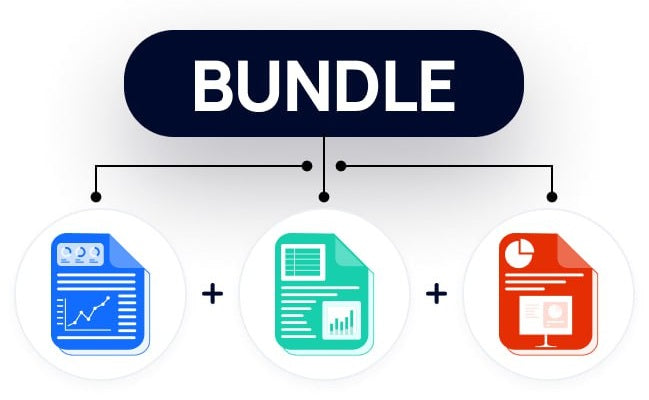
You're assessing spa profitability: the model shows breakeven in year 1 with revenue $3,060,000 and EBITDA $495,000, a ~16.2% EBITDA margin. Revenue rises to $8,010,000 in year 2 with EBITDA $3,357,000 and EBITDA hits $8,963,000 by year 5, showing profits scale materially as corporate bulk subscriptions and recurring tiers grow.
#
Profitability Lever
Description
Expected Impact
1
Increase Average Revenue Per Member
Upsell premium packages and add-ons at checkout to raise per-member spend.
+$15/member
2
Improve Scheduling Utilization
Fill idle slots via dynamic pricing and waitlist notifications to boost capacity use.
+18% utilization
3
Sell Corporate Bulk Subscriptions
Offer volume discounts to companies for recurring employee wellness plans.
$2,500/month
4
Reduce Direct Costs Per Session
Streamline supplies and optimize therapist time to cut session expenses.
-12% cost per session
5
Monetize Data And Outcomes
Package anonymized outcome analytics for partners and research buyers.
+4pp margin
Key Takeaways
Test tiered pricing for new members over 90 days
Consolidate suppliers and buy injection materials in bulk
Sell corporate bulk subscriptions with committed annual minimums
Automate off-peak 30-minute bookings to raise utilization
What Are The 5 Best Ways To Boost Profit In Spa?
You're running a spa and need quick margin gains; focus on five levers that raise revenue and cut per-session costs so EBITDA improves fast - see concrete actions and next steps in How to Start a Spa: Your Essential First Steps?
Actionable priority plan
Start by testing a tiered membership price increase for new joins while protecting legacy members. Next, consolidate suppliers to reduce consumables cost per session and build a paid data product for corporate spa subscriptions.
Increase membership price for new joins via a value ladder
Reduce per-session consumable spend with supplier consolidation
Bulk-buy injection materials to lower COGS per session
Monetize data: sell corporate dashboards as a paid product
Raise wallet share with high-margin peak-hour add-ons
Automate upsells at checkout for membership upsells
Improve scheduling utilization to eliminate idle circuit time
Use off-peak incentives to increase session throughput
Where Is Your Profit Leaking Every Month?
You're bleeding margin in a few repeat spots: underutilized mid-day and late-afternoon bookings, flagship lease and marketing burn, and rising tech and consumables fees - check fixed vs variable to act now and see startup cost context How Much Does It Cost to Start a Spa?
Main monthly leak points
Underused slots in mid-day and late-afternoon directly cut spa profitability and reduce spa revenue per member. High fixed lease and marketing burn in the flagship location increases monthly cash outflow; this is defintely where to triage first.
One clean win: fix scheduling utilization to plug immediate lost revenue.
Underutilized mid-day bookings
Late-afternoon idle slots
High flagship lease burn
Heavy marketing spend pre-scale
Injection materials billed incorrectly
Consumables cost leakage
Wearables API and hosting fees
Corporate sales travel mismatch
What Should You Fix First: Pricing, Costs, Or Sales?
Fix pricing first by testing tiered increases for new members only, then cut costs on consumables and injection materials, and finally accelerate corporate bulk subscription closes-read on for the exact order and quick tests to protect EBITDA and cash runway.
Three-step priority
Fix pricing first. Test tiered price increases for new members only and grandfather existing members to avoid churn. Also run measurable A/B tests using scheduling data to avoid revenue disruption and to prove impact on spa profitability; see What Operating Costs Span Spa Services?.
Test tiered price for new members
Grandfather existing members
Use A/B tests with scheduling data
Measure EBITDA and cash runway impact
Target consumables line items
Track injection materials per session
Negotiate supplier consolidation
Then speed corporate bulk closes
How Do You Increase Profit Without Working More Hours?
You can boost spa profitability by changing how services are delivered and sold-shift members to higher-throughput formats, automate upsells, and front-load recurring revenue with corporate bulk subscriptions to increase spa revenue without adding staff hours.
Operational shifts that free hours
Move members to self-serve, pre-booked 30-minute circuits to increase session throughput and reduce staff touchpoints. Improve scheduling automation to cut front-desk FTE time, and sell corporate bulk subscriptions to secure predictable cash flow-see corporate pilots and outcomes How Much Does a Spa Business Owner Earn?.
One clean change can lift utilization and margins.
Shift members to self-serve 30-minute circuits
Automate booking and check-in flows
Package high-margin add-ons as checkout upsells
Offer guaranteed zero-wait premium slots
Sell corporate bulk subscriptions for front-loaded revenue
Reduce front-desk FTE time with integrations
Optimize session utilities to cut per-session variable costs
Use off-peak incentives to boost scheduling utilization
What'S The Easiest Profit Win Most Owners Miss?
Charge a guaranteed zero-wait booking as a premium upgrade, sell wearable-driven outcome reports to corporate buyers, and convert occasional guests with targeted trials-these specific moves most owners miss and directly boost spa profitability, membership upsells, and corporate spa subscriptions.
Quick action you can take today
Start charging for a zero-wait guaranteed slot and track wearable outcomes for measurable reports you can sell to employers. If you're new, see How to Start a Spa: Your Essential First Steps? - this defintely pairs with corporate offers.
One clean win: sell certainty, not time.
Charge for zero-wait guaranteed booking
Track wearable-driven outcomes for reports
Sell measurable improvement reports to corporates
Convert occasional guests with targeted trials
Upsell nutrient injections in post-session flows
Bundle injections into subscription offers
Focus marketing on fastest corporate sign-up channels
Use premium slots to raise average revenue per member
What Are The Ways To Increase Spa Profitability?
Way To Increase Profitability 1: Increase Average Revenue Per Member
Improve average revenue per member by adding a premium tier and bundled injections to raise spend per visit and stabilize margin in growth phase - Lever: Revenue; Difficulty: Medium; Time to impact: 30-60 days
Profit Lever
Raise ARPM via premium tier and bundled injections
Improve margin on materials (injection COGS) per session
Impact: revenue mix, member lifetime value, peak capacity
Why It Works
Members buy add-ons at higher conversion post-session
Subscriptions shift revenue from variable to recurring
Bundling lowers per-unit COGS through predictable volume
How to Implement
Define premium tier: peak access + monthly data report
Price new members 10-25% higher, grandfather existing
Bundle nutrient injections into monthly plans with margin target
Launch A/B email flow: trial premium for 14 days
Track ARPM, churn, and injection COGS weekly
Pitfalls
Price shock: lose members if not grandfathered - grandfather to avoid
COGS leak: injections mis-tracked as overhead - track per session
Avoid: bundling without per-session COGS accounting
Benchmarks: use ARPM uplift target 15-30%; base projections show revenue year 1 = $3,060,000 and EBITDA year 1 = $495,000; aim to nudge EBITDA toward year 2 projection $3,357,000 by scaling subscription mix and reducing injection COGS leakage.
Way To Increase Profitability 2: Improve Scheduling Utilization
Improve scheduling utilization by offering dynamic off-peak 30-minute sessions to reduce idle mid-day slots and lift revenue per available chair.
Lever: Utilization - Difficulty: Medium - Time to impact: one booking cycle
Profit Lever
Increase revenue by filling idle mid-day capacity
Reduce per-session labor overhead through higher throughput
Improve margin on fixed-lease by raising utilization
Why It Works
Spa revenue depends on seat-hour capacity, not hours alone
Mid-day and late-afternoon slots are frequent leak points
Costs (labor, consumables) are semi-fixed per shift
How to Implement
1. Analyze hourly utilization for last 90 days
2. Create 30-minute off-peak SKU and price ladder
3. Automate waitlist + last-minute discounts in booking system
4. Retrain front-desk SOPs for zero-wait slot guarantees
5. Tie hourly-utilization KPI to front-desk bonuses
Pitfalls
Underpricing off-peak slots reduces perceived value - set floor price
Rushed turnover risks service quality - enforce buffer SOPs
Poor automation creates double-booking - QA booking rules first
Tips and Trics
Quick check: run hourly report for last month
Tool: use waitlist + last-minute discount template
Sequence: pilot one location seven days first
Communicate: email peak-access perks to premium members
Avoid: don't cut session time without SOPs
Benchmarks: baseline financials show revenue year 1 $3,060,000 and EBITDA year 1 $495,000; protect runway (min cash month Jun-26) by prioritizing utilization moves that raise recurring cash quickly.
Way To Increase Profitability 3: Sell Corporate Bulk Subscriptions
Improve corporate sales by selling tiered bulk subscriptions to increase predictable recurring revenue and reduce churn risk in the scale phase - Lever: Revenue; Difficulty: Medium; Time to impact: 3-6 months
Profit Lever
Revenue - front-load recurring cash via annual contracts
Utilization - commit seat minimums to protect capacity
Margin - higher ARPU (average revenue per user) from paid dashboards/add-ons
Sequence: negotiate supplier, then update POS mapping
Tell staff why per-session tracking matters
Avoid mixing billed vs tracked materials
Benchmarks: start by targeting a 5-10% reduction in per-session consumable spend; use existing year 1 baselines where EBITDA = $495,000 and prioritize COGS cuts to protect runway (minimum cash $706,000, min cash month Jun-26).
Way To Increase Profitability 5: Monetize Data And Outcomes
Improve revenue by selling anonymized outcome dashboards to employers to reduce churn and prove ROI in pilot phase. Chips: Lever: Revenue, Difficulty: Medium, Time to impact: 60-90 days
Profit Lever
Revenue - new B2B product sales
Margin - high gross margin (software/analytics)
Utilization - increases seat sell-through
Why It Works
Employers pay for measurable wellness ROI
Data product scales with low incremental cost
Wearable integrations tie usage to outcomes
How to Implement
Define KPIs for corporates (retention, burnout)
Build anonymized dashboard MVP using existing analysts
Run 30-day pilot with one corporate client
Price as add-on or separate annual contract
Automate data export and consent tracking SOP
Pitfalls
Privacy compliance slip - mitigate with consent flow
Low uptake - mitigate by subsidizing pilot
Reporting cost creep - cap initial analyst hours
Tips and Trics
Quick check: validate employer KPI interest
Tool: reuse BI template for faster dashboards
Sequence: pilot → price → scale sales
Communicate: include anonymized sample in pitch
Avoid: selling PHI; keep data aggregated
Benchmarks: use $3,060,000 revenue year 1 and corporate growth to $8,010,000 year 2 as targets to justify pilots; track contribution margin of dashboards above 80% once fixed dev costs are covered.
Focus on increasing average revenue per member through add-ons and corporate deals Add targeted nutrient injections and premium upgrades to drive higher spend per visit while keeping core membership intact Use corporate bulk subscriptions to acquire recurring revenue there are 6 primary revenue streams and revenue year 1 equals $3,060,000
Aim to materially grow EBITDA margin by prioritizing recurring revenue and lowering variable costs Use EBITDA year 1 of $495,000 as a starting benchmark and target improvements aligned with later years where EBITDA reaches $8,963,000 by year 5 Focus on COGS and variable expense reductions first
Cut variable and COGS lines first like consumables and injection materials per session Also tighten session utilities and wearable API fees to lower per-session spend Minimum cash level is $706,000 and minimum cash month is Jun-26, so reduce near-term burn to protect runway
Prioritize sales channels that produce predictable recurring revenue such as corporate bulk subscriptions and tiered memberships Corporate sales ramp can change revenue materially revenue year 2 is $8,010,000 so focus on proving corporate ROI to accelerate sign-ups and recover top-line growth
Spa already reached breakeven in year 1 per project assumptions, so margin expansion and corporate sign-ups accelerate profitability Use that breakeven foundation to scale EBITDA which is projected to grow from $495,000 in year 1 to $3,357,000 in year 2