You're running hair extensions with raw hair at 32% of revenue and a plan to breakeven in Year 3; profitability relies on capturing a 40% premium while protecting margins and holding minimum cash of $1,423,000. Prioritize pricing to secure the premium, cut raw‑hair percent through volume contracts, and scale scanner app subscriptions plus certification fees.
#
Profitability Lever
Description
Expected Impact
1
Premium Pricing & Guaranteed Match
Raise average order value with premium tiers and price-match guarantee.
+6% margin
2
Lower Cogs Through Smarter Sourcing
Reduce cost of goods via supplier negotiation and bulk sourcing.
+10% margin
3
Operational Efficiency At Micro-Fulfillment Hubs
Cut fulfillment costs and speed deliveries through local micro-hubs.
+4% margin
4
Scale Software & Certification Revenue
Monetize software tools and professional certification for salons and stylists.
$250K
5
Monetize Speed And Exclusivity
Charge premiums for fast delivery and exclusive limited-run collections.
+15% revenue
Key Takeaways
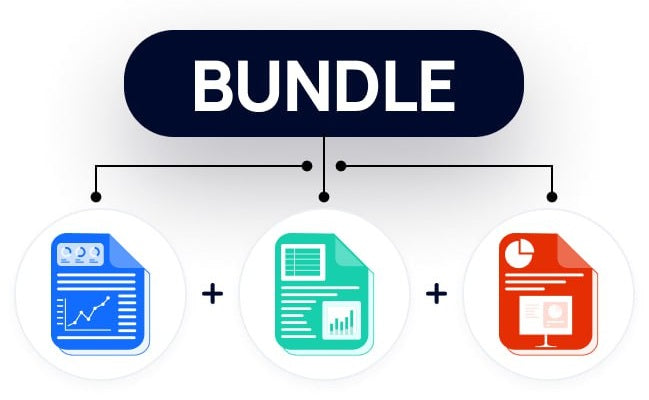
Increase bundle price 40% tied to guaranteed color match
Negotiate supplier volume discounts to cut raw hair COGS
Push scanner app subscriptions to create recurring revenue
Charge expedited fulfillment fees for same-day and next-day
What Are The 5 Best Ways To Boost Profit In Hair Extensions?
You can lift hair extensions profit quickly by pricing, sourcing, operations, software, and targeted sales-read on for five specific levers that drive margin improvement and recurring revenue.
Five levers, one playbook
Focus first on pricing: increase premium bundle pricing tied to a guaranteed color match to capture a clear value premium. Next control costs by reducing raw hair spend through strategic supplier contracts and bulk buys.
Then improve throughput at micro-fulfillment hubs, grow scanner app subscriptions among certified stylists, and push volume contracts with high-value metro salons.
Price bundles with guaranteed color match pricing
Negotiate supplier contracts for raw hair sourcing
Buy raw hair in bulk to reduce COGS
Automate packing at micro-fulfillment for throughput
Raise scanner app subscriptions among certified stylists
Sell salon certification program to boost recurring revenue
Target high-value metro salons with volume contracts
Offer expedited fulfillment fees to monetize urgency
Your monthly profit drains through predictable operational holes - fix inventory, app adoption, returns, fulfillment use, and overhead to stop the bleed; see trade-offs and quick wins and check startup economics at How Much Does It Cost to Start Hair Extensions?
Top leak drivers
Excess raw hair inventory ties cash and raises storage and obsolescence risk. Low scanner app subscriptions mean missed recurring revenue and weaker salon certification program uptake.
High returns and remakes waste raw material and labor, while underused micro-fulfillment for extensions inflates per-unit manufacturing labor cost.
Excess raw hair inventory carries cash drag
Low app adoption misses SaaS recurring revenue
High returns/remakes cause rework and material waste
Weak salon exclusivity agreements reduce certified stylist revenue
What Should You Fix First: Pricing, Costs, Or Sales?
Fix pricing first to capture the 40% premium value, then stabilize raw hair purchasing and scale sales via volume contracts and subscriptions - read costs to plan hires here: How Much Does It Cost to Start Hair Extensions?
Prioritize in this order
Set premium bundle pricing tied to guaranteed color match and certification to lock margin. Control raw hair buying to steady COGS, then push scanner app subscriptions and salon certification for recurring revenue and exclusivity.
One clean line: price first, buy smarter, sell harder. (defintely start with pricing.)
Capture 40% premium on bundles
Tie price to guaranteed color match pricing
Control raw hair sourcing and orders
Reduce raw hair inventory drag
Scale sales for metro volume contracts
Drive scanner app subscriptions
Launch salon certification program
Delay nonessential capex until breakeven
How Do You Increase Profit Without Working More Hours?
Focus on recurring revenue, automation, and process design to lift hair extensions profit without adding owner hours - read on to see the five practical moves that convert time into margin and repeatable cash.
Five high-leverage levers
Drive scanner app subscriptions and a salon certification program to create predictable recurring revenue. Use micro-fulfillment batching, standardized blends, and expedited fulfillment fees to cut labor per order and monetize urgency. One clean line: sell outcomes, not hours.
Charge explicit expedited fulfillment fees and bundle certification with hardware to capture immediate margin-read on for tactical moves that convert one-time buyers into recurring scanner app subscriptions and protect stylist margins.
Add a small fee for guaranteed color-match warranty
Use exclusivity agreements to protect stylist margins
Price guaranteed color match pricing separately
What Are The Ways To Increase Hair Extensions Profitability?
Way To Increase Profitability 1: Premium Pricing & Guaranteed Match
Improve premium pricing by charging a 40% uplift for guaranteed color-match bundles to reduce reworks and speed installs in Year 1-3. Chips: Lever: Revenue / Difficulty: Medium / Time to impact: 30-90 days
Profit Lever
Increase bundle price 40% to capture premium revenue
Reduce post-install rework to cut material waste
Lift certified-stylist ARPU and salon install fees
Why It Works
Clients pay for lower risk and guaranteed color-match
Reworks drive material waste and labor delays
Exclusivity supports higher per-install pricing in metros
How to Implement
Set bundle price = wholesale price 1.40
Create guaranteed-match SLA and warranty terms
Train and certify stylists; record certified installs
Offer salon exclusivity in top metros for premiums
Track margin lift for certified vs noncertified monthly
Pitfalls
Price shock reducing volume - pilot 3 salons
Warranty claims rising - require photo QA before remakes
Certification uptake slow - bundle with scanner app
Tips and Trics
Show before/after pricing table
Use a one-page SLA template
Sequence: pilot, certify, then scale exclusivity
Announce warranty limits in checkout
Benchmarks: start by preserving raw hair percent near 32%, capture a 40% bundle premium, and track margins monthly toward Year‑3 breakeven (minimum cash runway noted at $1,423,000).
Way To Increase Profitability 2: Lower Cogs Through Smarter Sourcing
Improve raw-hair sourcing by negotiating volume contracts and optimizing blends to reduce raw material COGS and cash drag in Year 1-3.
Chips: Lever: Cost · Difficulty: Medium · Time to impact: 90-180 days
Profit Lever
Reduce raw hair % of revenue from 32% toward 24-26%
Lower inbound logistics and packaging costs per unit
Stabilize margin volatility to protect gross margin
Why It Works
Raw hair is the single largest material cost driver
Volume discounts and consolidation cut unit COGS quickly
Blend optimization reduces specialty-strand waste
How to Implement
Run 90-day spend analysis by supplier and SKU
Issue 12-month volume RFP to top 3 suppliers
Negotiate price tiers and capped freight terms
Redesign blend recipes to cut specialty strands 10-20%
Measure raw-hair % monthly and report to CFO
Pitfalls
Quality drift from cheaper suppliers - add QA checkpoints
Overcommitment to volume - include flexible breakpoints
Supply concentration risk - keep one backup vendor
Tips and Trics
Check: raw hair % vs revenue weekly
Use a standard RFP template for suppliers
Sequence: lock freight then price tiers
Tell suppliers expected monthly cadence plainly
Avoid: one-off custom strands for every order
Way To Increase Profitability 3: Operational Efficiency At Micro-Fulfillment Hubs
You're scaling orders but fulfillment is eating margin - automate blending and batch to cut labor and shipping time; charge expedited fees and prioritize slots to protect margins. Chips: Lever: Utilization/Cost • Difficulty: Medium • Time to impact: 60-120 days
Profit Lever
Reduce per-order manufacturing labor percentage
Lower 3PL shipping and expedited fees per order
Improve throughput so raw hair utilization rises
Why It Works
Batching cuts handling time per bundle
Local hubs reduce transit and rush fees
Automation shifts cost from labor to predictable capex
How to Implement
Map current cycle times and per-order labor
Install automated blender/pack line at one hub
Run weekly batching windows and slot-pricing SOP
Measure monthly capacity utilization and ROI
Scale hubs by demand curves and FTE planning
Pitfalls
Capex overreach - buy only after pilot ROI
Quality drift from automation - add QA checkpoints
Vendor lock risk - keep second-source plan
Tips and Trics
Quick check: orders per hour per station
Use a simple batching calendar template
Sequence: pilot → measure 60 days → scale
Tell salons slot-based lead times and fees
Avoid: automating every SKU at once
Way To Increase Profitability 4: Scale Software & Certification Revenue
Improve recurring revenue by growing scanner app subscriptions and certification fees to reduce cash volatility and lift margins in Years 1-3.
Lever: Revenue · Difficulty: Medium · Time to impact: 3-9 months
Profit Lever
Revenue: recurring subscription and certification fees
Margin: improves gross and contribution margins
Operation: impacts sales, retention, and fulfillment load
Why It Works
Subscriptions create steady cash flow vs one-off sales
Certification converts stylists into repeat buyers
Bundles justify 40% premium on bundles
How to Implement
Define subscription tiers and ARPU target
Build 1-day certification curriculum and exam
Bundle scanner hardware with certification sale
Pilot with 20 metro salons for 90 days
Track conversion and renewal monthly
Pitfalls
Low app uptake - fix with onboarding incentives
Poor certification quality - add QA and recertification
Hardware lock-in resistance - offer opt-out paths
Tips and Trics
Measure ARPU per subscriber weekly
Use one-page SOP for certification day
Sequence: pilot → refine → metro rollouts
Announce renewals 45 days before expiry
Avoid free forever plans for stylists
Way To Increase Profitability 5: Monetize Speed And Exclusivity
Improve expedited fees and local exclusivity by charging for rush slots and protected territories to increase revenue and reduce discounting in metro salons. - Lever: Revenue; Difficulty: Medium; Time to impact: 30-90 days
Profit Lever
Increase per-order revenue via rush fees
Raise average order value with exclusivity
Improve utilization of high-margin slots
Why It Works
Clients pay for faster turnaround and certainty
Exclusivity reduces metro discounting and competition
Prioritizing profitable slots lifts margin per FTE
How to Implement
Set explicit expedited fee tiers and SOP
Reserve 10-20% of slots for rush at premium
Offer localized exclusivity contracts to top stylists
Bundle exclusivity with certification and scanner subscription
Focus on pricing and recurring revenue first Raise custom-blend bundle prices to capture the 40 percent premium described and push scanner app subscriptions to create steady income combine those with certification fees to compound revenue track impact on EBITDA and aim to reach breakeven by Year 3
Target gross margin improvement via COGS control and pricing Reduce raw hair percentage (starting at 32 percent) while preserving the 40 percent premium improving manufacturing labor and packaging percentages will move EBITDA toward positive by Year 3 monitor gross margin monthly against revenue milestones for Years 1 and 2
Cut avoidable overhead and optimize fulfillment labor first Prioritize lowering raw hair and manufacturing labor percentages, and automate packaging delay discretionary capex until after breakeven use certification program admin to shift costs onto trainees while preserving product quality
Shift to revenue levers: increase app subscription uptake and sell certification to raise recurring fees pursue volume contracts to scale sales quickly re-evaluate pricing to ensure the 40 percent premium is captured aim for breakeven in Year 3 and monitor EBITDA trajectory across Years 1-3
Plan cash to cover pre-breakeven months and fixed costs Minimum cash shown is $1,423,000 and breakeven is reached in Year 3 use staged hiring and capex to extend runway and prioritize revenue streams that convert faster