How Profitable is a 3D Printing Business in Today's Market?
3D Printing Business
You're aiming to get profitable: target breakeven by Year 2 by shifting revenue mix to three streams - subscription retainers, per-unit production fees, and DFAM consulting. Quick wins: convet one-off buyers to retainers, cut raw-material waste and changeovers, boost machine utilization, and charge premiums for guaranteed turnaround to move EBITDA positive.
#
Profitability Lever
Description
Expected Impact
1
Optimize Material And Yield Efficiency
Reduce waste via nesting, feedstock reuse, and tighter process controls.
$25K-$150K annual savings
2
Increase Revenue Per Customer With Retainers
Lock recurring revenue through maintenance, replenishment, and update retainers.
$5K-$50K per client/year
3
Improve Machine Utilization And Throughput
Raise uptime and output with scheduling, preventive maintenance, and batch optimization.
10-30% throughput increase
4
Productize Dfam Consulting Services
Offer packaged design-for-manufacturing consulting as fixed-price products.
$10K-$200K annual revenue
5
Price For Certainty And Speed
Charge premiums for guaranteed lead times and validated part delivery.
5-20% margin uplift
Key Takeaways
Convert one-off buyers to monthly capacity retainers within 30 days
Negotiate bulk polymer contracts to cut material costs 12%
Reduce failed print rate below 5% with operator training
Price guaranteed turnaround and tolerance control for premium fees
What Are The 5 Best Ways To Boost Profit In 3D Printing Business?
Boost profit by cutting material cost, raising AOV with subscription tiers, improving uptime, standardizing DFAM, and charging for speed and certified tolerance-read on for practical levers that move EBITDA. See linked metrics for tracking results: 5 KPI & Metrics for a 3D Printing Business: What Should You Track for Success?
Five focused levers
Start with raw material spend: buy bulk certified polymer to lower cost per part and reduce rework. Then shift revenue mix to subscription retainers for higher average order value and predictable cashflow.
Next, improve machine uptime and standardize DFAM (design for additive manufacturing) templates to cut engineer hours per job. Finally, price for guaranteed turnaround and certified tolerance control to capture urgency premiums.
Bulk certified polymer purchasing
Raise AOV with prioritized subscription tiers
Improve machine uptime to boost output per shift
Standardize DFAM templates to cut engineering hours
Charge premium for guaranteed turnaround
Charge for certified tolerance control
Use nested printing to improve build volume utilization
Track material yield optimization and print failure rate reduction
Audit these five sources every month and report impact to EBITDA. Track raw-material waste, machine utilization, logistics fees, sales discounting, and overhead run rate vs Year 2 revenue targets - one clean check each month keeps surprises low.
Excess raw-material waste from failed prints
Raw-material waste from failed setups
Underutilized machine hours in single-shift ops
Idle hours during changeovers
High logistics costs for expedited deliveries
High cost per item for many small orders
Sales discounts to win low-margin per-unit work
Overhead running before reaching revenue scale in Year 2
What Should You Fix First: Pricing, Costs, Or Sales?
Fix pricing first when your subscription mix is underoptimized versus per-unit fees, then cut raw material and production labor costs, and finally ramp targeted sales to hit breakeven in Year 2 - keep reading to see the exact moves.
First moves that change the math
Start by shifting one-off buyers into subscription retainers and capacity guarantees; that raises predictable revenue and reduces sales volatility. Measure each change against EBITDA and aim to reach breakeven in Year 2. For setup costs reference How Much Does It Cost to Start a 3D Printing Business?.
Price subscriptions above per-unit margins
Prioritize capacity guarantees as tiered offers
Track EBITDA after each pricing change
Target raw material percentage next
Reduce production labor inefficiencies
Standardize DFAM consulting into sellable scopes
Run trade show pilots to convert clients
Focus on moves that hit Year 2 breakeven
How Do You Increase Profit Without Working More Hours?
You can raise 3D printing business profitability by changing how work is sold and routed-so you earn more per hour without putting in overtime; see practical moves like subscription retainers and DFAM automation and How Much Does a 3D Printing Business Owner Earn?
Five high‑impact, low‑hours levers
Automate design-for-additive-manufacturing (DFAM) adjustments to cut engineer hours per order and lower rework. Shift one-off buyers into subscription retainers for predictable cash and less sales churn-this smooths revenue and improves EBITDA visibility.
One clean win: batch similar jobs to slash changeover time and lift machine utilization 3D printing shops already struggle with.
Automate DFAM adjustments to reduce engineer time
Shift customers to subscription retainers for predictability
Batch similar jobs to reduce changeover time
Use nested printing strategies to boost build volume utilization
Price for certainty and speed with a turnaround time premium
Charge priority pricing for urgent orders and certified tolerance control
Outsource admin to lower fixed overhead and free founders
Productize DFAM consulting services as fixed‑scope retainers
What'S The Easiest Profit Win Most Owners Miss?
Sell capacity guarantees as subscription tiers instead of one-off discounts - it stabilizes revenue, converts one-off buyers into repeat clients, and improves 3D printing business profitability; read practical steps at How to Write a Business Plan for a 3D Printing Business?
Quick fixes to capture recurring revenue
Package capacity guarantees into tiered subscription retainers that include priority turnaround and certified tolerance control. These moves convert per-unit buyers into predictable revenue and defintely reduce sales volatility toward Year 2 breakeven.
Sell capacity guarantees as subscription tiers
Avoid one-off discounts that erode margin
Standardize QC acceptance criteria to cut rework
Charge for DFAM consulting services as fixed-scope
Offer replacement contracts for recurring per-unit fees
Price for certainty and speed with urgency premiums
Bundle retainers with priority certified tolerance control
Track minimum cash and runway to prevent underpricing
What Are The Ways To Increase 3D Printing Business Profitability?
Way To Increase Profitability 1: Optimize Material And Yield Efficiency
Improve material yield by enforcing nested builds and supplier volume contracts to reduce raw-material cost and failed-print rework in production
Lever: Cost, Difficulty: Medium, Time to impact: 30-90 days
Profit Lever
Lower raw-material spend (materials % of COGS)
Reduce rework and scrap (labor and overhead margin)
Material costs dominate COGS in polymer-based shops
Failed prints create direct rework hours and scrap spend
Maximizing nested printing raises revenue per machine hour
How to Implement
Negotiate supplier terms tied to forecasted monthly volumes
Install waste-tracking log in ERP or spreadsheet SOP
Create nested-print templates per machine build plate
Train operators on first-layer checks and support removal
Report material-% monthly and target improvement to Year 2
Pitfalls
Over‑discounting bulk buys ties cash - commit only forecasted volumes
Over‑nesting increases post‑process labor - balance nesting vs. finishing
Supplier lead times rise with larger contracts - add buffer stock
Tips and Trics
Quick check: track failed prints per shift
Use a printable nesting template file
Sequence: fix first-layer issues before nesting rules
Tell clients delivery impact when nesting changes lead times
Avoid: buying extra polymer without a forecast
Way To Increase Profitability 2: Increase Revenue Per Customer With Retainers
Improve revenue per customer by selling capacity retainers to convert one‑offs into predictable contracts and reduce revenue volatility in Year 1-Year 2. Chips: Lever: Revenue, Difficulty: Medium, Time to impact: Quarter
Profit Lever
Revenue - higher ARR from retainers
Utilization - steadier machine runtime
Margins - lower per-order sales/marketing cost
Why It Works
Converts unpredictable one‑offs into recurring cash
Track subscription revenue vs per‑unit mix monthly
Pitfalls
Overcommit capacity - avoid by capping tier slots
Underprice urgency - set certified tolerance premium
Deliverability risk - add SLA clauses and penalties
Tips and Trics
Quick check: calculate revenue per retained client
Template: standard retainer contract and SLA
Sequence: pilot retainer with top 5 buyers first
Communicate: show uptime and lead‑time guarantees
Avoid: too many custom tiers - keep 3 simple
Way To Increase Profitability 3: Improve Machine Utilization And Throughput
Improve machine utilization by scheduling for 24/7 runtime and reducing changeovers to cut per‑part cost and speed delivery; Lever: Utilization, Difficulty: Medium, Time to impact: 30-90 days
Profit Lever
Higher runtime lowers per‑unit material and overhead cost
Fewer changeovers cut labor minutes per job
More throughput increases billable hours and subscription capacity
Why It Works
Capacity is the binding constraint in additive manufacturing
Setup and changeover time directly reduce effective build hours
Clients pay premiums for fast turnaround and certified tolerance control
How to Implement
Measure current uptime and changeover minutes per shift
Batch similar jobs and implement nested printing templates
Create standardized fixtures and a 3‑step changeover SOP
Shift to 24/7 scheduling where demand and QA allow
Trigger capex only when utilization > 80% sustained
Pitfalls
Overrun maintenance if runtime ignores maintenance windows - schedule checks
Quality drift with fast runs - add QC checkpoints per shift
Wrong capex timing increases overhead - require 80% utilization signal
Tips and Trics
Quick check: uptime dashboard daily
Tool: reuse nested print templates
Sequence: batch by material and tolerance
Tell clients realistic lead times early
Avoid: running without scheduled maintenance
Way To Increase Profitability 4: Productize Dfam Consulting Services
Improve DFAM consulting by packaging fixed‑scope reviews to reduce iterations and speed production ramp in Year 1-Year 2
Lever: Revenue | Difficulty: Medium | Time to impact: 3-8 weeks
Profit Lever
Revenue: sell fixed-fee DFAM reviews and retainers
Cost: lower engineering hours per job, raise margin on labor
Utilization: increase machine throughput by fewer reprints
Why It Works
DFAM reduces print failures and downstream rework
Clients pay for reduced lead time and certified tolerance
Predictable scopes let you price retainers and priority slots
How to Implement
Define three fixed scopes: Quick Review, Production Ready, Full DFAM
Create standard deliverables: checklist, AM file, print settings
Price each scope to reflect saved production hours
Train two engineers on DFAM SOP and a QA acceptance gate
Bundle DFAM in retainers to upsell capacity guarantees
Pitfalls
Underpricing: eats margin if scope creeps - add change orders
Sales friction: clients resist fees - show saved lead time metrics
Tips and Trics
Quick check: track iterations per job month‑over‑month
Tool: use template DFAM report file for every review
Sequence: sell review before first prototype run
Tell clients: show time saved in weeks, not hours
Avoid: defintely don't include open-ended design time
Way To Increase Profitability 5: Price For Certainty And Speed
Improve pricing by charging for guaranteed rapid delivery and certified tolerance control to increase revenue per customer and reduce churn in subscription phases. Chips: Lever: Revenue, Difficulty: Medium, Time to impact: 30-90 days
Profit Lever
Increase per-order price for urgency and certification
Raise subscription ARPU via capacity guarantees
Improve margin on materials/labor by reducing rework
Why It Works
Clients pay premiums for speed and tolerance certainty
Capacity limits make urgency a scarce, billable feature
Certified tooling reduces downstream rework and returns
How to Implement
Define two tiers: prototype replacement and certified production
Focus on converting one-off customers into subscription retainer contracts immediately Prioritize capacity guarantees to stabilize revenue and reduce sales volatility Aim to reach breakeven by Year 2 while tracking EBITDA improvements compare revenue of Year 1 and Year 2 to measure progress using the five main revenue drivers
Target margins that move EBITDA from negative in Year 1 to positive by Year 2 Use the five revenue streams and cost controls to improve margins Benchmark progress against EBITDA figures for Year 1 and Year 2 to assess whether operational changes are closing the gap
Cut raw material waste and production labor inefficiencies first because they are largest COGS items Track raw materials percentage and production labor percentage over time to measure savings Prioritize actions that directly improve EBITDA and preserve runway toward Year 2 breakeven
Cost cuts may reduce capacity or quality, lowering revenue from retainers and per-unit fees Ensure cuts don't increase rework or miss certification requirements that reduce customer confidence Measure cost changes against revenue and EBITDA to confirm net profit improvement
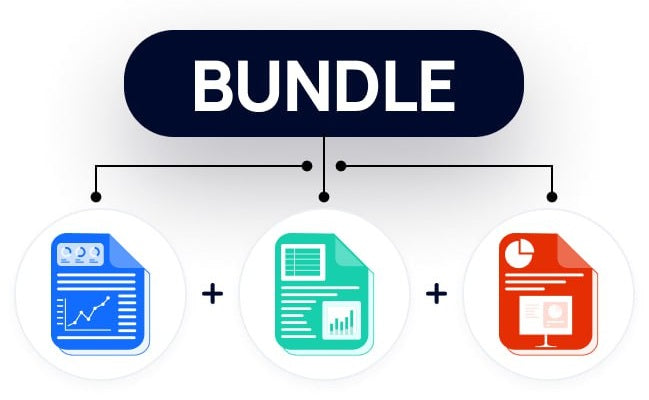
Start with the three core revenue streams shown and expand cautiously: subscription retainers, per-unit production fees, and DFAM consulting Track each stream's contribution to total revenue and EBITDA to balance growth Use the three streams to reach Year 2 breakeven and scale thereafter